When you move into a new construction home, the backyard is usually bare dirt. But if you have a pond or plan to install one, choosing easy pond plants can turn that blank slate into a relaxing spot without a lot of work. I learned this the hard way after our Raleigh build—I bought finicky water lilies that needed constant thinning and fertilizer. Now I stick with easy pond plants that practically take care of themselves.
Why Low-Maintenance Pond Plants Matter for New Builds
New construction yards often have compacted soil and little organic matter. If you're adding a pond, the surrounding environment won't be forgiving to high-maintenance plants. Plus, after dropping money on the house, you don't want to spend weekends pruning pond vegetation. Easy pond plants survive with minimal feeding, grow at a moderate pace, and tolerate a range of water conditions. They also help keep algae in check by competing for nutrients—a natural filter that saves you from buying expensive pumps.
In our subdivision, several neighbors installed preformed ponds from big box stores. The ones who picked fussy plants ended up replacing them within a year. The ones who went with easy options had clear water and green leaves from spring through fall. The difference is a few smart choices at the start.
4 Easy Pond Plants That Thrive in New Builds
Water Hyacinth
This floating plant multiplies quickly and shades the water, reducing algae. It has lavender flowers and feathery roots that absorb excess nutrients. In a new build pond, it does well as long as it gets full sun. The only catch: in warm climates it can overgrow, so you might need to scoop out some every month. We bought a starter pack of six for about $15.
Hornwort
If you want a submerged oxygenator that doesn't need soil, hornwort is your go-to. It floats beneath the surface and releases oxygen that keeps fish healthy. It's completely rootless, so you just drop it in. For a new pond, hornwort is forgiving of water chemistry swings that often happen in the first few months. One bundle costs around $8.
Creeping Jenny
This marginal plant grows along the edge, spilling into the water. It's hardy and spreads fast, covering bare pond liner. Creeping Jenny is great for new construction because it tolerates both sun and partial shade. We planted two small pots at the waterline, and within a month they'd covered a foot of edge. It also produces tiny yellow flowers in summer.
Pickerel Weed
For vertical interest, pickerel weed is a native that's tough as nails. It sends up spikes of blue or purple flowers and grows in shallow water up to 12 inches deep. This is one of the easiest easy pond plants for beginners because it rarely gets pests and comes back year after year. A one-gallon pot costs about $12.
Planting and Care Tips for Easy Pond Plants
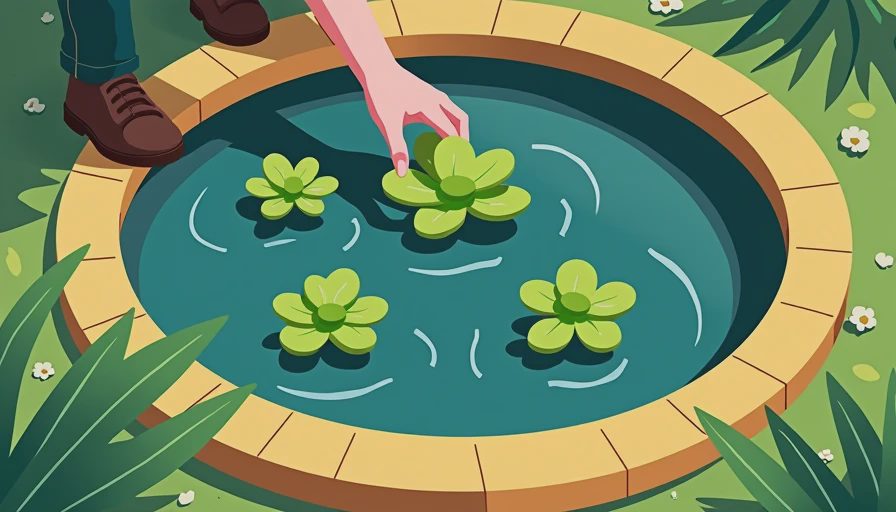
Most of these plants need no soil. For floating plants like water hyacinth, just place them on the surface. For submerged hornwort, toss the bundle in. For marginals like creeping jenny and pickerel weed, set the pot on a shelf at the correct depth—typically the bottom of the pot just below the waterline. Use heavy clay soil or pond planting media; avoid lightweight potting mix.
If you have a liner pond, protect it by adding fine gravel on top of the soil in containers. Don't crowd everything at once—easy pond plants spread, so give them room. I made the mistake of planting too many right away, and by August I had to rip out half.
Maintenance is minimal. Every couple of weeks, remove dead leaves and thin floating plants if they cover more than 70% of the surface. No fertilizing needed. Fall cleanup requires trimming dying foliage.
Avoiding Common Mistakes with New Construction Ponds
One issue I see: owners install a pond and neglect the plants, expecting them to thrive in plain tap water. Even easy pond plants benefit from a few days of water conditioning before adding them. Use a dechlorinator if you have city water. Also, avoid aggressive species like parrot feather in small ponds—they'll take over quickly.
Another mistake is not using a balanced plant combo. A mix of floaters, oxygenators, and marginals keeps algae in check and water clear. When you get that right, the pond practically runs itself.

Frequently Asked Questions About Easy Pond Plants
How many easy pond plants do I need for a small pond? For a pond roughly 50 gallons, four to six plants are enough. Use one floating plant like water hyacinth, one submerged oxygenator like hornwort, and two marginal plants like creeping jenny and pickerel weed. This mix covers shade, oxygen, and algae control without overcrowding.
Can I use regular potting soil for pond plants? No, regular potting mix contains peat and perlite that float and cloud the water. Use heavy clay soil or pond planting media. Top dress with fine gravel to hold the soil in place.
Do easy pond plants survive winter? Most are hardy in zones 5 through 10. Water hyacinth is an annual in cold climates but can overwinter indoors. Hornwort survives under ice. Creeping jenny and pickerel weed die back and return in spring.
How often should I fertilize easy pond plants? These plants rarely need fertilizer. Overfertilizing triggers algae blooms. Start without any fertilizer. If growth seems weak after two months, add a slow-release pond tab once per season.
What fish can I keep with easy pond plants? Goldfish and shubunkins are safe. They don't damage the plants and provide natural nutrients. Avoid koi, which tend to dig up roots and muddy the water.
Final Thoughts
For a new construction backyard, you don't need a master gardener to have a great pond. These easy pond plants require minimal time—I spend maybe 15 minutes a week on ours—and they turn a bare yard into a spot the whole family enjoys. Start with a few species and let them establish. A pond shouldn't be a chore. It can be the part of the yard you actually relax in.

No letters yet — pray write the first.