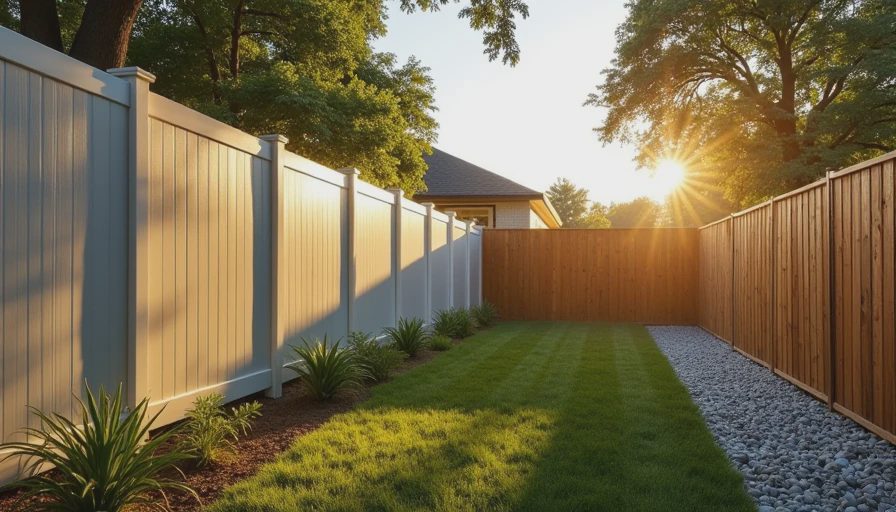
The Fence Decision That Almost Broke the Neighborhood
Six weeks after closing, with Charlie and Emma running toward the unfenced backyard and our Lab mix eyeing the neighbor’s yard like a new adventure zone, we had to make a call. The builder offered a basic privacy fence upgrade for $4,800. My old coworker brain immediately started calculating alternatives.
I’d seen dozens of these fence dramas during my Pulte days — neighbor disputes, shared cost arguments, and regret either way. Here’s the unfiltered truth on shared fencing versus going solo in a new construction community.
Why Fencing Hits Different in New Builds
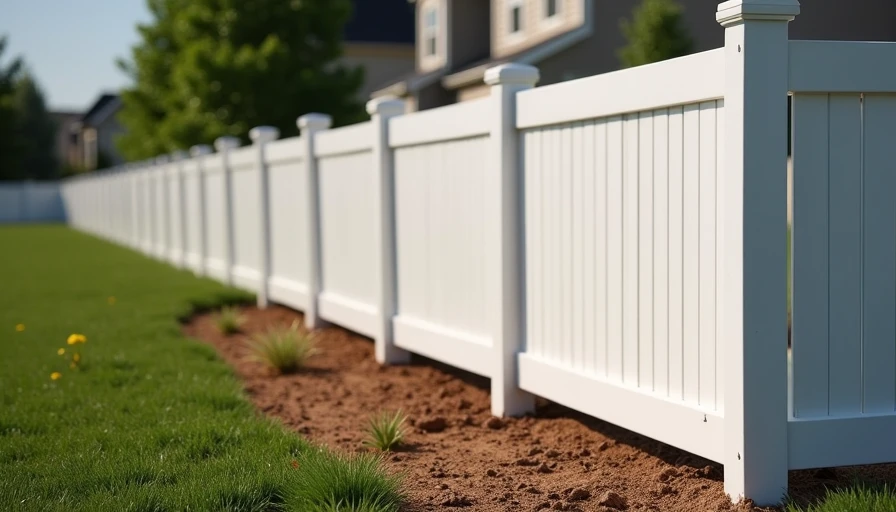
Your lot starts as dirt with open views to every neighbor. HOA rules usually dictate style, height, and materials. You need it for safety, privacy, and containing pets/kids, but the cost hurts when you’re already stretched on the mortgage.
Shared Fence vs Solo: The Real Math
Shared Fence (Good Neighbor Route)
You pay roughly half: $2,200–$3,200 depending on length
Must agree on style, timeline, and maintenance
Potential for drama if neighbors drag feet or want different materials
Solo Fence (Full Control)
Full cost: $4,500–$6,500 for typical backyard
Your timeline, your exact specs
No negotiations or future arguments
What We Actually Did
We went mostly solo on the back and one side but successfully split one side fence with the neighbor behind us.
The Shared Side:
We approached the new neighbors politely with a written proposal (I drafted a simple one-page agreement). They agreed to split a 60-foot privacy fence. Our share: $1,480. Installed after basic grading.
The Solo Portions:
We paid full for the sides and back ourselves in phases. Total solo spend: $3,650.
Overall Year One Fencing: ~$5,130 — better quality than the builder option and phased to match cash flow.
Pros and Cons From Real Life
Shared Fence Pros:
Big immediate savings
Good way to build neighbor relationships early
Consistent look across properties
Shared Fence Cons:
Coordination headaches (we had one delay because their cousin “knew a guy”)
Future maintenance disagreements
Compromise on exact style and height
Solo Fence Pros:
Full control over quality and timing
No drama
Easier to match your exact needs (gate placement, dog-proof bottom, etc.)
Solo Fence Cons:
Higher upfront cost
Can look mismatched if neighbors do something different later
Key Lessons From Pulte Days
I watched families fight over shared fences more than almost anything else. The successful shared ones had:
Written agreements covering cost split, materials, and future repairs
Clear communication before any work started
Professional installers (not “my uncle’s buddy”)
The ones that went bad usually involved verbal agreements and different budgets.
Smart Fencing Strategy for Year One
1. Prioritize Safety First
Fence the areas needed for kids and dogs immediately. We did the back first so the yard became usable.
2. Approach Neighbors Early (But Not Too Early)
Wait until after closing but before major landscaping. Bring a clear proposal with quotes from 2–3 contractors.
3. Material Choices That Matter
Pressure-treated wood: Cheapest but needs maintenance
Vinyl or composite: Higher upfront, lower long-term hassle
We chose vinyl for the shared side (low maintenance) and wood for parts we might modify later
4. Add These Details
2-inch gap at bottom for mower but small enough for dogs
Double gates for lawn equipment
Concrete footer in high-wind areas if needed
Budget Breakdown (Our Actual Numbers)
Shared side (60 ft): $1,480 our portion
Solo sides and back: $3,650
Gates and hardware: $420
Permits and survey: $280
Total: $5,830 (phased over 4 months)
Still cheaper and better than the builder’s all-at-once package.
When to Definitely Split
Good neighbors who seem reasonable
Similar family situations (kids/pets)
Long shared boundary that saves real money
When to Go Alone
Difficult or unknown neighbors
Very specific needs (height, style, dog-proofing)
You plan to add features like a gate to a future shed
The Backyard Privacy Payoff
Six months after the fences went up, our yard finally felt like ours. The kids could play safely, the dog stopped visiting neighbors, and weekend barbecues felt private. The small disagreements with the shared neighbor were worth the savings.
A new house isn’t perfect. But it can be yours.
And a good fence helps define exactly where “yours” begins.
Your New Build Fencing Decision Checklist
Check HOA rules and survey lines first
Get 3 contractor quotes
Approach potential shared neighbors with a written proposal
Prioritize safety zones for kids and pets
Decide on materials based on maintenance tolerance
Budget for gates and small extras
Document all agreements in writing
Print it. Walk your lot. Talk to neighbors. Make the choice that gives your family safe, usable space without unnecessary stress.

No letters yet — pray write the first.