When Megan and I sat down at the upgrade selection table in 2023, I already knew the game. Five years as a project coordinator for Pulte in Raleigh meant I’d sat through dozens of these meetings. I knew which line items had ridiculous margins and which ones were actually reasonable. Still, walking in as the buyer instead of the guy behind the clipboard felt different. The numbers hit harder when it was our mortgage on the line.
Here’s the unfiltered truth from someone who’s been on both sides of the closing table: most builder upgrades are priced like airport sandwiches — convenient, but you’re paying three times what they cost to make.
The Upgrade Sheet That Changed Everything
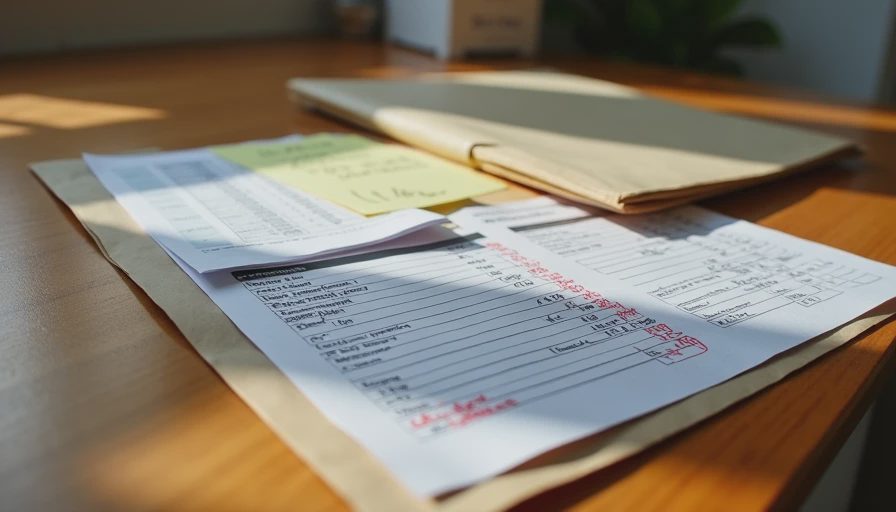
The sales counselor slid across a thick packet with glossy photos and prices that made my eyes water. $4,800 for a “premium” backsplash. $3,200 for upgraded lighting packages. $2,800 for “enhanced” cabinet hardware. I started circling and crossing out like a madman while Megan gave me the “don’t be cheap” side-eye.
I pulled out my secret weapon — the internal cost sheets I wasn’t supposed to have memorized. Not that I was leaking company secrets, but after half a decade you notice patterns. That $4,800 backsplash? The builder’s material and install cost was around $950-$1,100. Nice markup.
What I Actually Paid For (And Why)
1. The Kitchen Countertops – Worth Every Penny
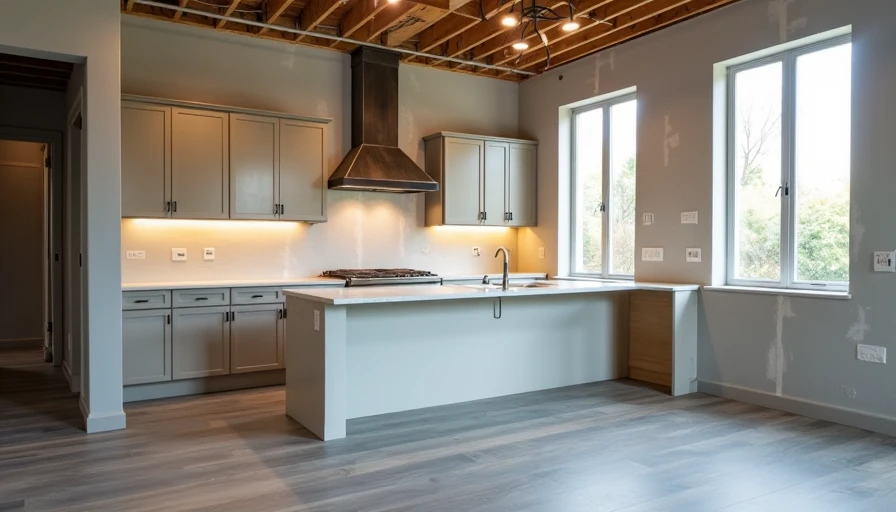
We went with quartz instead of the standard granite-look laminate. The builder wanted $6,200 for their “upgraded” quartz option. I knew from watching installs that I could get the exact same Cambria or similar quality through a local fabricator for about $3,800 installed after move-in. But here’s the catch with new builds: you want the counters in before the final walkthrough so any adjustments can be made while the crew is still obligated.
I negotiated the builder upgrade down to $4,900 and called it a win. The seam lines were better controlled during the initial install, and it saved us the headache of protecting new floors during later fabrication. Total premium paid: about $1,100 over what we could have done post-closing. Worth it for peace of mind.
2. The Flooring Upgrade – The One I Almost Skipped
The standard was some builder-grade carpet upstairs and LVP downstairs that looked fine in the model but felt cheap underfoot. I pushed for better LVP with a thicker wear layer and proper underlayment. Cost: $4,200 upgrade.
My insider knowledge helped here. I knew the subfloor in our particular floor plan had some minor variations. Better flooring hid those imperfections better and reduced that hollow sound you get with thin LVP. Two years later, with Charlie and Emma running around, I’m glad we did it. The cheap stuff in neighbors’ houses is already showing wear patterns.
3. Electrical Rough-Ins – The Smart Money Move
This one surprised even me. We added:
Extra outlets in the garage (for future EV charger)
Pre-wire for under-cabinet lighting
Ceiling fan rough-ins in all bedrooms
Exterior outlet on the back patio
Total add: $1,850. These are the upgrades that cost the builder almost nothing in labor because they’re done during the framing stage, but save you thousands later. My smoker station in the backyard? That outlet was already waiting for me.
What I Skipped (And Don’t Regret)
The $4,000 Kitchen Backsplash
The builder’s tile selection was basic and overpriced. I waited, painted the walls a warm beige (#D2C8B9), then installed a simple white subway tile myself for $680 including tools. Looks cleaner and more modern than what they offered.
Builder Lighting Fixtures
Mostly skipped. Their “upgraded” chandeliers looked dated the moment we moved in. We bought better ones on sale after closing and swapped them in an afternoon.
Irrigation System Rough-In
I paid $2,000 for this one and still kick myself. The builder’s “rough-in” was basically them marking where the lines would go. I could have done the whole thing cheaper and better after we moved in. Live and learn.
The Numbers Don’t Lie
Total upgrades we actually selected at closing: $18,400
What the builder probably spent on materials and labor for those items: ~$7,800-$8,500
Our net “premium”: around $10,000
Was it worth it? For the items we chose, yes. But I still overpaid on a couple. That’s the reality of new construction — you’re never going to win every line item. The goal is winning the ones that actually matter.
Lessons From Watching Hundreds of Closings
The families who got the most value approached it like this:
Focus on structural and systems upgrades first (plumbing, electrical, HVAC options, insulation). These are hardest to change later.
Prioritize things that affect daily life — kitchen counters, flooring, lighting locations.
Skip the cosmetic stuff you can do cheaper and better yourself or with local contractors after move-in.
Negotiate. Sales counselors have some wiggle room, especially at the end of the month or quarter.
I watched one couple spend $42,000 on upgrades including a ridiculous “theater room” package. Their house looked great on day one but they were house poor for years. Another family spent almost nothing at closing and turned their house into a personalized home over 18 months while staying sane financially.
The Mindset Shift That Saved Us
The biggest thing I learned from my time at Pulte is this: the builder isn’t evil. They’re running a business with tight margins and massive overhead. Their job is to sell you the dream at the highest possible profit. Your job is to separate the emotional purchase from the smart business decision.
A new house isn’t perfect. But it can be yours.
We closed on our house in late 2023. The floors were gray, the walls were beige, the yard was dirt. Two years later, it feels like our home — not because we bought every upgrade, but because we were intentional about the ones that mattered and did the rest on our own timeline.
If you’re sitting at that upgrade table right now feeling overwhelmed, take a breath. You don’t need to buy the whole brochure. You need a plan.
Practical Upgrade Decision Framework
Will this be significantly harder/expensive after closing? → Strong yes candidate.
Can I get comparable or better quality locally for less? → Strong no.
Does this affect resale value in our specific market? → Research it.
Will we use/enjoy this every single day? → Prioritize.
Print this framework. Take it to your upgrade meeting. It’ll save you more money than any single upgrade ever could.
No letters yet — pray write the first.