When we closed on our new construction in Raleigh, the backyard was a blank canvas of red clay and construction debris. I started looking into artificial grass landscaping ideas almost immediately. Two muddy dogs and a toddler later, I can tell you it was one of the best decisions we made. Here are practical ways to use synthetic turf that I've either done myself or watched neighbors pull off.
Why Artificial Grass Makes Sense for New Construction Yards
Most new builds come with dirt and maybe a few patches of builder-grade fescue that dies by August. Laying sod costs $0.50 to $1.00 per square foot installed, but you'll water it constantly and likely reseed in two years. Artificial grass runs $5 to $20 per square foot installed depending on quality and infill, but you never water, mow, or fertilize. For a 500-square-foot backyard, that's $2,500 to $10,000 upfront versus $250 to $500 for sod that needs ongoing care. If you factor in water savings (easily $200/year in a Sun Belt state), the payback period is around 5 to 10 years. That's before you account for the time you don't spend on a mower every Saturday.
Artificial Grass Play Area: Safe and Mud-Free
One of the best artificial grass landscaping ideas for families is creating a dedicated play zone. We put a 12x12 section behind the patio for our kids. I used a product with a padded foam underlayment (about $2 extra per square foot) so falls aren't as hard. The key is proper base prep: 3 to 4 inches of crushed stone, compacted, then a weed barrier. We skipped the builder's irrigation rough-in ($800) and put the savings toward a higher-quality turf with dual drainage. No more muddy shoes tracking through the house. My neighbor used a pet-specific turf with antimicrobial infill for his dogs, and it works just as well for kids.
Pet-Friendly Artificial Grass Landscaping Ideas
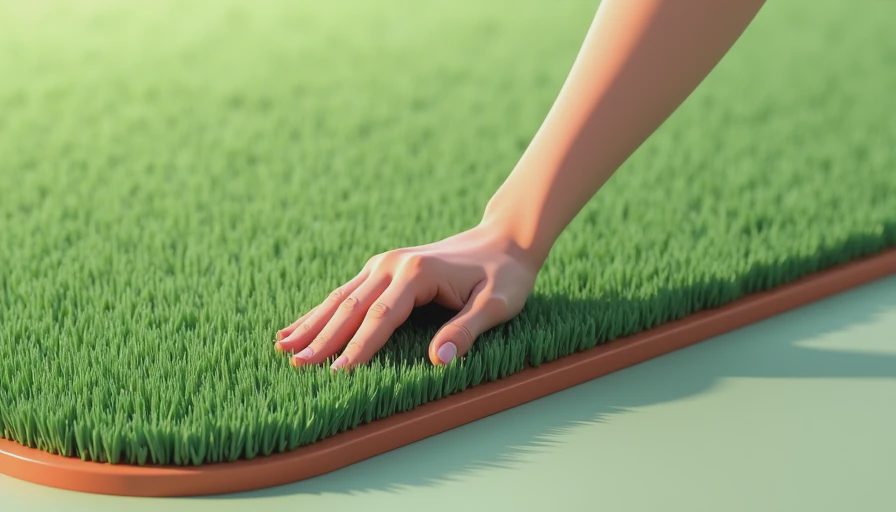
If you have dogs, artificial grass can be a game changer. The key is choosing a turf with good drainage (at least 30 ounces of water per minute per square yard) and using an enzyme-based infill that neutralizes urine odor. I went with a brand called PetTurf (about $8/sq ft installed) after stepping in mud one too many times. You'll want to hose it down every week or so to keep it fresh. The turf itself holds up to digging better than real grass — my Labrador hasn't managed to tear through it yet. Another tip: install a small gravel strip along the fence line for marking spots. That saves the turf from concentrated urine damage.
Artificial Grass Pathways and Accent Borders
A smaller-scale artificial grass landscaping idea is using strips of turf to create pathways between garden beds or around a patio. This works well if you don't want to commit to a full lawn. I ran a 2-foot-wide path from the gate to the shed using leftover turf from the play area install. It cost about $100 for the turf and edging materials. It looks clean, stays green year-round, and doesn't require edge trimming. You can also use artificial grass as an accent border around a concrete patio or along a retaining wall — it softens the hardscape without adding maintenance.
Putting Green or Backyard Sports Area
If you're a golfer or have older kids, a putting green is a common upgrade. It requires a slightly different type of turf (shorter pile, faster roll) and more precise base grading to ensure true putts. I priced out a 300-square-foot green from SynLawn — about $3,500 installed, including a custom shape with a couple of undulations. That's cheaper than a sim membership after two years. For a multi-sport area, you can use a medium-pile turf that works for putting, chipping, and even soccer or football. Make sure drainage slopes away from the house. I've seen a few yards where water pooled after rain, leading to mildew.
Maintenance and Long-Term Cost Savings
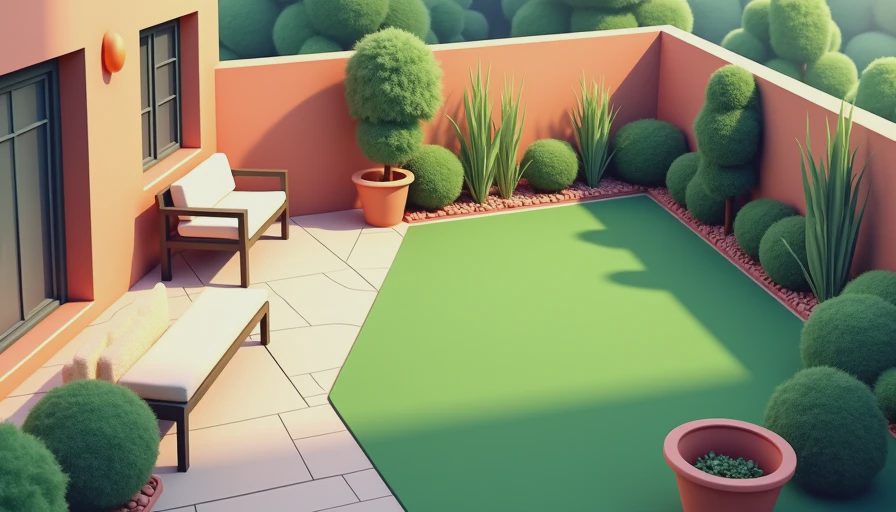
People worry about artificial grass getting hot in the summer, and it does — surface temps can hit 140°F on a 90° day. Solutions include using light-colored infill (like silica sand), hosing it down, or planting shade trees. The maintenance is simple: rake leaves off once a week, rinse every two weeks, and brush the fibers to keep them upright. Compare that to mowing, edging, fertilizing, aerating, and watering real grass — you're saving at least 50 hours a year. Over ten years, that's 500 hours, which is worth something. I figure the artificial grass landscaping ideas I used paid for themselves in year five just from water and gas savings alone.
Final Thoughts on Artificial Grass for New Builds
A new house isn't perfect. But it can be yours. Artificial grass solves the biggest pain point of a new construction yard: making it usable without becoming a slave to lawn care. Start with a small area like a play zone or a path, see how you like it, then expand. Get at least three quotes from local installers who specialize in synthetic turf — big box stores tend to upsell. And for the love of everything, skip the builder's landscaping package unless they're giving you a deal on grading. You'll do better on your own with these artificial grass landscaping ideas.

No letters yet — pray write the first.