Outdoor Living Spaces Attached to House: A New Build Owner's Guide
When we bought our new construction in Raleigh, the builder's upgrade list had a "covered patio" option for $12,000. I knew that cost them maybe $4,000. So I passed. But a year later, I realized the blank slab off our dining room was a missed opportunity. Fixing it now costs more than the builder would have charged. That's the dilemma with outdoor living spaces attached to house: decide now or pay later.
Here's what I've learned about attached outdoor spaces—screened porches, decks, covered patios, sunrooms—from both sides of the build process. I've seen buyers blow their budget on unnecessary upgrades and others regret skipping the ones that matter.
Why Attached Outdoor Spaces Matter
An outdoor living space attached to house isn't just a patio or a deck. It extends your home's square footage without the cost of another room. In a new build, where yards are often cookie-cutter and landscaping is nonexistent, a well-designed attached space gives you a functional area for grilling, entertaining, or just watching the kids play. Plus, it adds resale value. In the Sun Belt, buyers expect at least a covered porch.
But the key is "attached." Detached structures like pergolas or gazebos are nice, but an outdoor living space attached to your house creates a seamless flow from interior to exterior. That's what makes a house feel bigger.

Common Types of Attached Outdoor Living Spaces
You have several options, depending on your budget and climate:
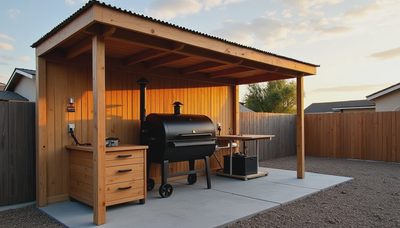
- **Covered patio**: The simplest—a concrete slab with a roof. Builder grade, usually included in base or a small line item. We have one off the breakfast nook.
- **Screened porch**: Adds bug protection. Great for Raleigh summers.
- **Deck**: Wood or composite. Often elevated. Can be attached to a sliding door.
- **Three-season room**: Like a screened porch but with windows and sometimes HVAC. Expensive but highly functional.
- **Full sunroom**: Permanent addition with foundation. Cost is similar to adding a room.
I went with a covered patio from the builder, then later added a screen enclosure. That was a mistake—a screened porch from the builder would have been cheaper and cleaner.
Cost Breakdown: Builder vs. DIY
Here's the reality: builder margins on outdoor living spaces attached to house are high. A 12x16 covered patio might be $8,000–$15,000 from your builder, but the materials and labor cost them $3,000–$5,000. You do get the convenience of financing it in your mortgage and having it complete at closing.
If you want a deck, a 10x12 pressure-treated deck runs about $2,000 in materials. But hiring a contractor post-closing will cost $4,000–$6,000. Builder might charge $7,000. The difference isn't as big as you'd think, especially if you want financing.
My advice: If the build is still on, price out the top three outdoor living spaces attached to house you want. Then compare with post-closing contractor quotes. Often, the builder's price for a concrete slab or covered patio is reasonable, but for decks and screen rooms, you might save by doing it later.
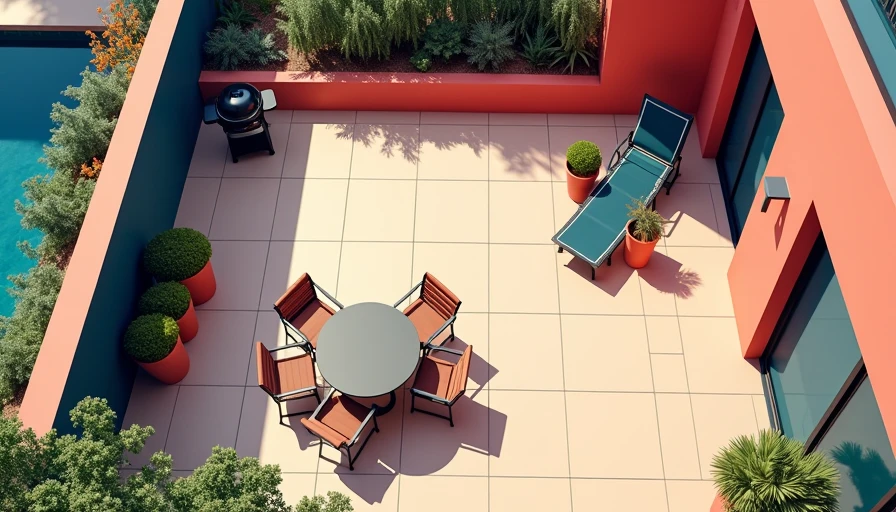
Design Tips to Maximize Your Space
A few things I wish I'd known:
- **Match roof lines**: Make sure the attached space uses the same roofing material and pitch. It'll look like it belongs.
- **Think about electric and gas**: Run conduit for ceiling fans, lights, and a gas line for a grill. Much easier during construction.
- **Flooring**: Builder-grade concrete can be stained. Or you can add tile or stone later. We did stained concrete—cost $800 vs. $3,000 for tile.
- **Ceiling height**: Standard 8 feet is fine, but 9 or 10 feet feels more roomy. Check if builder offers that.
Mistakes I Made (Don't Do These)
I skipped the builder's covered patio upgrade ($12k) thinking I'd do it later. Now, after removing the builder's cheap concrete and adding a proper roof, I'm in for $18k. Should have just done it in the build.
Another mistake: not running electrical. We have no ceiling fan outlet on our porch. Running a line now is messy.
Don't skip on drainage. Our patio floods because the builder graded toward the house. Fixing that was $2,000.
Is It Worth the Investment?
Yes, but only if you'll actually use it. If you live in a climate with six months of good weather, outdoor living spaces attached to house pay off. According to Remodeling Magazine's Cost vs. Value report, a deck addition recoups about 65% at resale, and a screened porch can recoup 75%. Not a bad return.
For us, the attached porch is where we spend every evening after dinner. The kids ride bikes on the patio while we sit under the fan. A new house isn't perfect. But it can be yours—especially when you make the outdoor space your own.
Before You Decide: A Quick Checklist
Use this list to evaluate your outdoor living spaces attached to house options during the build phase:
- □ Did the builder quote include electrical and gas lines? If not, have them add an allowance.
- □ Is the slab sloped away from the house? Ask for drainage details.
- □ What is the roof material and pitch? Must match the main house.
- □ Can you upgrade the ceiling height? Worth the extra $500–$1,000.
- □ Have you compared builder price vs. post-closing contractor bids? Get at least two quotes.
- □ Will you add screens or windows later? If yes, consider a screened porch now to avoid retrofitting costs.
- □ How will you use the space daily? If for dining, ensure size accommodates a table.
- □ Check HOA rules—some limit attached structures.
Going through this checklist can save you thousands. In my case, skipping the electrical line cost $600 in builder upgrade vs. $2,500 later. Planning your outdoor living spaces attached to house now means fewer regrets.

No letters yet — pray write the first.