The “Small” Upgrades Trap
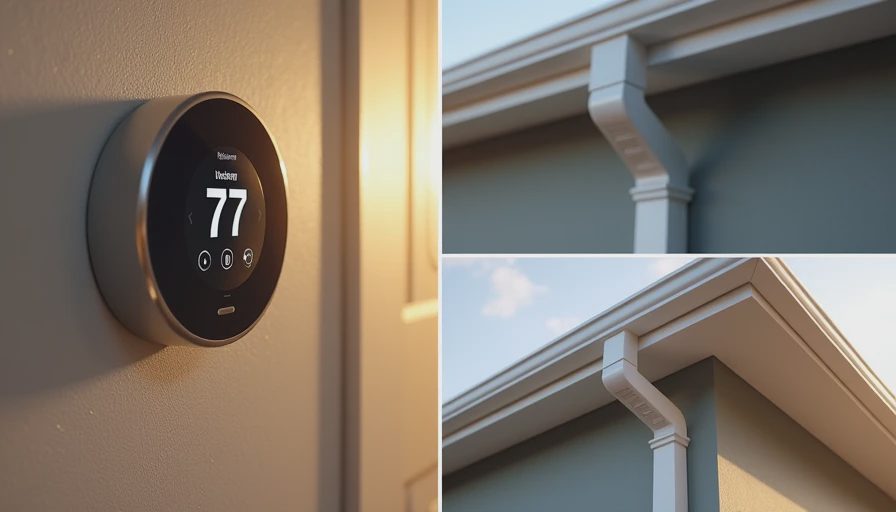
During our upgrade selection, the sales counselor tried bundling a bunch of “convenience” items: gutter guards, a smart thermostat package, and upgraded garage openers. The total add-on came to $2,650. It sounded reasonable — until I remembered the internal margins on these items from my Pulte days.
Many new homeowners overlook these because they seem minor compared to kitchens or flooring. But some deliver outsized value while others are pure profit for the builder. Here’s the real breakdown from someone who’s seen hundreds of these decisions and lived with the results.
Why These “Small” Items Deserve Attention
In year one of a new build, you’re dealing with a dirt lot, settling house, and new systems that need optimization. The right small upgrades can save time, money, and headaches long-term.
Gutter Guards — Worth It or Waste?
Builder Option: $950–$1,400 installed
Our Choice: Skipped at closing, installed after landscaping stabilized for $680
The Reality:
In a new build with lots of nearby trees and construction debris, gutters clog fast. We had overflow issues during the first heavy rains. Good guards (the mesh or reverse-curve type) cut cleaning frequency dramatically.
Lesson: Do this after your lot has some vegetation and final grading. Installing too early risks damage during construction cleanup.
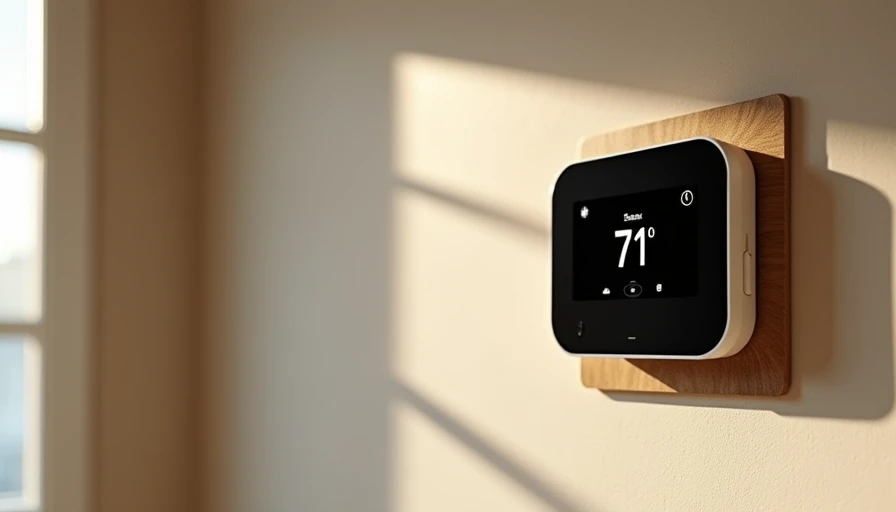
Smart Thermostat — One of the Best Small Upgrades
Builder Package: $450–$650 (usually basic model)
Our Choice: Bought a Google Nest after closing for $180 (on sale) and installed ourselves in 20 minutes.
Why It Wins:
Learns your schedule and saves 10–15% on HVAC bills
Remote control is perfect when you’re traveling or have unpredictable kid schedules
Integrates with other smart home stuff later
We saw noticeable savings in the first summer. One of the highest ROI upgrades we made.
Garage Openers — The Hidden Value
Builder Upgrade: $380–$550 for “smart” openers
Our Approach: Took the basic pre-wire and added reliable smart openers post-closing for $240 total.
Benefits We Didn’t Expect:
Battery backup (power outages are common during Carolina storms)
Smartphone control and notifications
Better integration with security systems
Having two openers with quiet belt-drive motors made daily life smoother, especially with car seats and strollers.
Other “Small” Upgrades That Actually Mattered
Exterior electrical outlets (we added two more)
Whole-house surge protection
Better door hardware (locks and hinges)
Attic insulation upgrade (if available)
What We Skipped and Don’t Miss
Builder’s basic smart thermostat (overpriced, limited features)
Fancy video doorbell packages (bought better ones later)
Overpriced gutter guard “premium” systems
Real Cost Comparison
Builder bundle we were quoted: $2,650
Our selective post-closing approach: ~$1,100
Savings: $1,550 + better performing products
Timeline for Adding These Upgrades
First 30 Days: Install smart thermostat and basic garage opener upgrades
Month 2–4: Add gutter guards after landscaping settles
Month 3–6: Surge protection and extra outlets as needed
This phased approach lets you see real needs before spending.
Pro Tips From the Trenches
Always get the pre-wires and rough-ins at closing when possible — they’re cheap for the builder but valuable for you.
Research current models — technology improves fast.
Test everything during different seasons.
Factor in maintenance: some “smart” features require ongoing app subscriptions.
The Compound Effect
These small upgrades don’t make your house look fancy on day one, but they make daily life noticeably better. Our HVAC runs more efficiently, the garage feels secure, and we spend way less time cleaning gutters.
Practical “Small” Upgrades Decision Framework
Does it save time or money long-term? → Strong yes.
Is it hard to add later? → Consider at closing.
Is the builder markup ridiculous? → Research alternatives.
Will we actually use the feature? → Skip the fluff.
The House That Works Smarter
Two years in, these “small” decisions keep paying dividends. The house feels more efficient and responsive to our family’s real life.
A new house isn’t perfect. But it can be yours.
Sometimes the smartest upgrades aren’t the flashy ones — they’re the practical ones that quietly make life better every single day.
Your Small Upgrades Checklist
Prioritize pre-wires and rough-ins at closing
Research current best smart devices
Add gutter protection after lot stabilizes
Focus on energy savings and convenience
Compare builder price vs aftermarket options
Install in logical phases during year one
Print it. Don’t overlook the small stuff — it often makes the biggest difference.

No letters yet — pray write the first.