The Mud Crisis That Hit Week Two
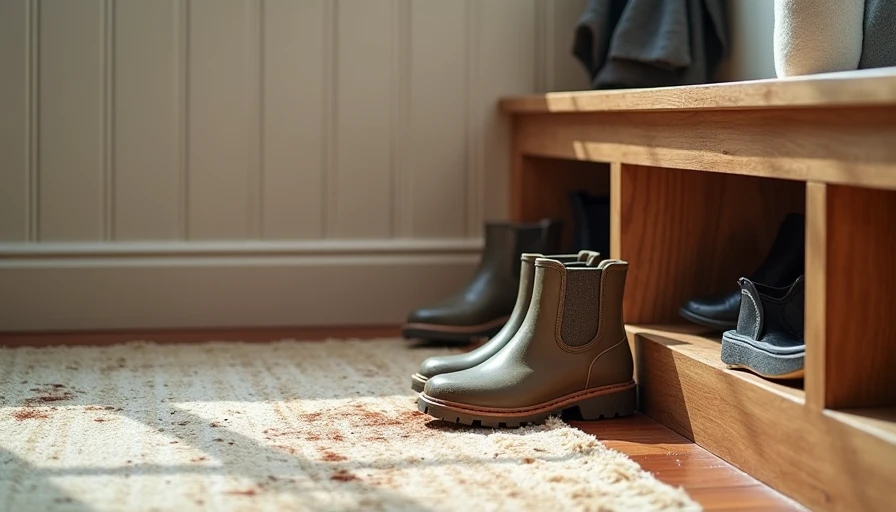
We closed on our new house and thought the shiny gray LVP and fresh beige walls would stay perfect for at least a year. Reality hit fast. With a 5-year-old, a 2-year-old, and a 70lb Lab, the area right inside the garage door turned into a mud battlefield within days. Red North Carolina clay everywhere — on the walls, baseboards, and new floors.
I watched this exact problem destroy dozens of new builds during my Pulte days. Most families wait until the damage is done. We finally got smart and built a real mudroom command center. Here’s exactly what worked, what we learned the hard way, and how you can protect your new construction home without making it ugly.
Why Mudrooms Matter More in New Builds
New construction often has direct garage-to-house access with zero transition space. Add kids, dogs, and a dirt backyard, and you’ve got a constant stream of tracked-in mess. The drywall near entry points takes the worst beating — scuffs, handprints, and splatter that’s hard to clean without repainting.
A good mudroom setup isn’t just storage. It’s a defensive system that stops dirt before it spreads.
Our Mudroom Transformation — What We Built
Core Elements That Made the Biggest Difference
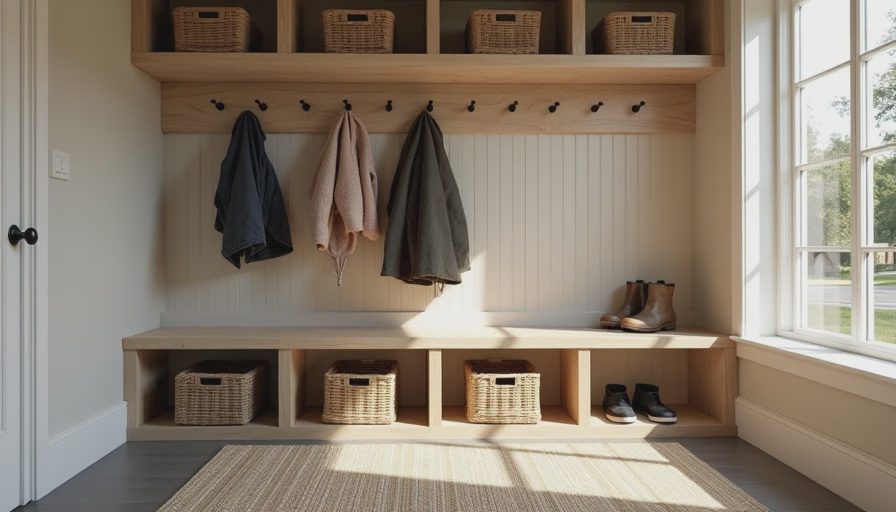
1. The Bench + Shoe Storage System
We installed a simple 6-foot built-in bench with open cubbies underneath.
Cost: $420 in materials (IKEA hacks + lumber)
Why it works: Everyone sits to take off shoes. No more balancing acts that smear mud on walls.
Added 4 large woven baskets for shoes and boots.
2. Heavy-Duty Hooks and Coat Rack
Installed at both adult and kid height.
Cost: $85
Prevents jackets from being thrown on the floor or against walls.
3. Durable Flooring and Mats
Kept the builder LVP but layered a large washable indoor/outdoor rug.
Added a deep boot tray that catches water and mud.
Total: $180
4. Wall Protection
Board-and-batten wainscoting on the lower 4 feet of the main wall ($260).
Clear corner guards on all exposed drywall edges.
Matte eggshell paint that wipes clean easily.
The Before-and-After Reality
Before: Daily mopping, constant touch-up paint requests under warranty, and frustrated evenings.
After: Mud stays contained. We spend maybe 10 minutes a week on cleanup instead of 30+ minutes daily. The drywall in the rest of the house has stayed remarkably clean.
Lessons We Learned the Hard Way
Do this early. We waited until after the first big rain. Don’t make that mistake.
Overbuild the storage. Kids generate more gear than you expect.
Choose washable everything. Rugs, baskets, and seat cushions.
Lighting matters. We added a bright overhead light and motion sensor so nobody tracks mud in the dark.
Drainage outside. We paired the interior setup with a gravel path right outside the door (see Backyard First posts).
Budget Breakdown (Real Numbers)
Bench + storage: $420
Hooks & rack: $85
Rug + boot tray: $180
Wall protection: $340
Misc (paint, hardware): $110
Total: ~$1,135 — spread over a couple weekends. Way cheaper than repeated drywall repairs and repaints.
Pet-Friendly Additions That Helped
Our Lab loves the setup too. We added:
A designated “paw wash” station with a low tub and towels.
Elevated dog bed in the corner so he doesn’t track straight onto the main floors.
Scratch-resistant baseboard trim.
Small Hands Integration
The kids actually enjoy the routine now. Low hooks mean they can hang their own jackets. Color-coded baskets make cleanup a game. It turned a frustration zone into a functional family space.
What We Skipped (And Don’t Miss)
Expensive custom cabinetry systems. The open cubbies work better for muddy boots.
Fancy tile flooring. The existing LVP + rug is easier to maintain.
Over-the-top built-ins that eat up space. Keep it simple and expandable.
Maintenance Routine That Keeps It Working
Weekly rug shake-out and boot tray clean.
Quick wipe-down of the bench after big outdoor days.
Seasonal deep clean before winter and summer.
This system has held up through two years of Carolina weather, kids growing, and dog zoomies.
Practical Mudroom Checklist for New Builds
Install bench + shoe storage near garage entry
Add kid-height hooks and coat rack
Layer durable rugs and boot trays
Protect lower walls with wainscoting or tough paint
Include good lighting and motion sensors
Create a pet paw cleaning station if you have dogs
Build habits early — shoes off at the door
The Payoff
Our mudroom isn’t magazine-perfect, but it works. The rest of the house stays nicer longer, we fight less about messes, and the entry area actually feels welcoming instead of chaotic.
A new house isn’t perfect. But it can be yours.
Even with small hands, big dogs, and a dirt backyard.

No letters yet — pray write the first.