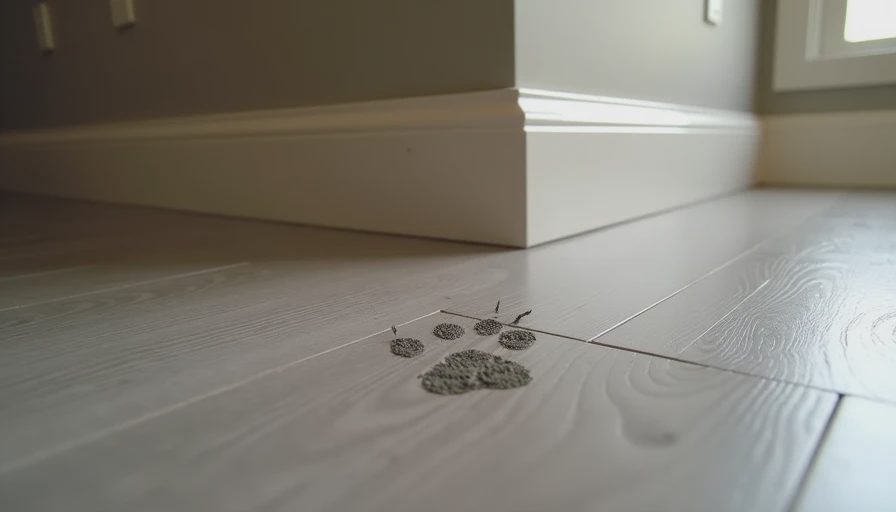
The Lab vs New Floors Experiment
We brought home our energetic 70lb Lab mix two months after closing. Within the first week he taught us that new construction floors face a special kind of torture: constant sliding, wet muddy paws from the dirt backyard, and the occasional “oops” accident when we were late on a walk.
I’d seen plenty of new builds during my Pulte days where beautiful upgrades got destroyed by pets in under a year. We were determined not to let that happen. Here’s the honest, tested reality of what actually holds up.
Why Pets Destroy New Build Flooring
New houses come with fresh subfloors that are still settling. Add a big dog who thinks the hallway is a racetrack and you get:
Deep scratches from nails
Water damage from tracked-in mud and drool
Compressed areas where they like to nap
Odor retention if accidents happen
Builder-grade options rarely survive this test.
What We Tested and What Survived
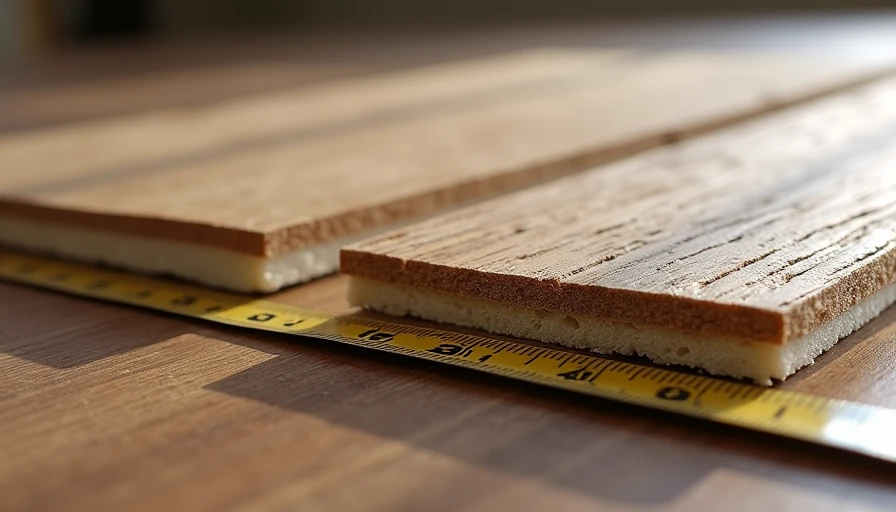
The Contenders
1. Upgraded LVP (What We Chose)
We went with thick luxury vinyl plank (6mm wear layer + attached underlayment) in a textured gray oak look.
Cost: $4,150 for main level
Performance: Two years later it still looks excellent. The texture hides scratches incredibly well. Waterproof core handled multiple accidents with zero swelling. Easy to clean muddy paw prints.
2. Builder Hardwood Upgrade (What We Skipped)
Neighbors who chose this regretted it fast. Visible scratches, water spots near the back door, and it showed every dent.
Would cost us: ~$8,900
Verdict: Beautiful initially, but not pet realistic.
3. Standard Builder Carpet
Upstairs bedrooms. It’s holding okay in low-traffic areas but shows wear patterns where the dog likes to circle before lying down. We use washable rugs on top.
4. Tile in Mudroom and Baths
Porcelain tile with good grout sealing has been bulletproof. The only downside is it stays colder in winter.
Key Features That Actually Matter for Big Dogs
Wear Layer Thickness: 6mm+ is non-negotiable for nail resistance.
Texture/Embossing: Matte, realistic wood or stone texture hides scratches far better than smooth glossy finishes.
Waterproof Core: Mandatory with dogs who track water or have accidents.
Good Underlayment: Reduces noise from zoomies and helps with subfloor imperfections.
Proper Acclimation and Installation: Critical in new builds.
Our Real-World Damage Report (After 2 Years)
Main living areas (LVP): Minor surface scratches that are barely noticeable. No deep gouges.
Entry/mudroom: Some wear but contained thanks to rugs and boot tray.
Upstairs: Carpet shows traffic patterns but still functional.
Zero major failures or replacement needed.
Budget and Long-Term Math
Builder LVP upgrade: Usually $3,800–$5,200
Our premium LVP choice: $4,150
Hardwood alternative: $8,900+ with higher future repair risk
The LVP has already paid for itself by avoiding early replacement. We expect 10–12 solid years with our crew.
Tips for Pet-Proofing Any Flooring
Trim nails regularly (or use nail caps)
Place washable runners in high-traffic hallways
Keep a dedicated paw-washing station in the mudroom
Use enzyme cleaners immediately for accidents
Choose wider planks — fewer seams to collect dirt
What I’d Do Differently Next Time
I’d still choose quality LVP for the main level but maybe add a few more area rugs for extra protection and warmth. For upstairs I’d consider a higher-grade stain-resistant carpet or LVP throughout if budget allows.
Practical Pet Flooring Decision Framework
Big active dog? → Thick textured LVP or porcelain tile
Budget tight? → Good LVP over builder hardwood
Allergy concerns? → Hard surfaces easier to keep clean
Resale value? → LVP performs well in family markets now
The House That Survives Real Life
Our floors aren’t perfect, but they’ve handled everything our family (and dog) has thrown at them. The house feels lived-in and loved instead of like a museum.
A new house isn’t perfect. But it can be yours.
Even with a 70lb Lab who thinks every new floor is his personal slip-n-slide.
Your Pet-Proof Flooring Checklist
Prioritize wear layer thickness and texture
Choose waterproof options
Add rugs and runners in key zones
Test samples with your dog’s nails if possible
Factor in subfloor settling
Plan for easy cleaning routines
Print it. Bring it to your upgrade meeting. Your floors (and your sanity) will thank you.
No letters yet — pray write the first.