You just got the keys to a brand-new house. The floors are gray, the walls are beige, and the yard is dirt. But before you start unpacking, you need a solid new building construction checklist. I spent five years running walkthroughs for a big builder, and I watched too many buyers miss things they'd regret later. This checklist covers what to inspect during your final walkthrough and your first month in the house.
Pre-Closing Walkthrough: The Most Important Hour
Your final walkthrough is your last chance to catch problems before you sign. Bring this new building construction checklist and don't rush. Start outside: check that downspouts extend at least five feet from the foundation. I've seen builders leave them two feet away, which means water pools against the slab. Check that all windows and doors open and close smoothly. If a door sticks now, it'll only get worse as the house settles.
Inside, run every faucet and flush every toilet. Listen for drips and look under sinks for water stains. Test the garage door opener and the attic pull-down ladder. Turn on every light switch and test every outlet with a phone charger. It sounds basic, but I've personally found outlets that weren't connected. Mark any issue with blue tape and take photos.
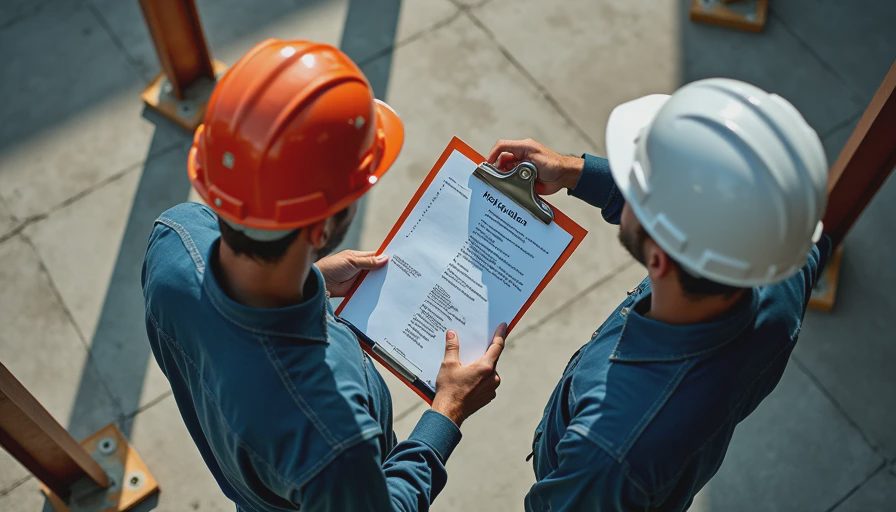
Structural Checks: Look for Cracks and Gaps
A new house will settle, but you don't want major structural problems. Walk the interior and exterior walls. Hairline cracks in drywall are normal, but cracks wider than 1/8 inch or that run at a 45-degree angle from a window corner could indicate foundation movement. Check the garage floor for large cracks. Outside, inspect the siding for gaps or buckling. If you see a gap where the siding meets the roof, that's a water entry point.
Also look at the grading around the foundation. The ground should slope away from the house at least six inches over ten feet. If water pools near the foundation, the builder needs to fix it before closing. This is one item on the new building construction checklist that can save you thousands in waterproofing later.
Mechanical Systems: HVAC, Water Heater, and Electrical
Your home's mechanical systems are expensive to fix after closing. Turn on the HVAC system and let it run for 15 minutes. Check that warm or cool air comes out of every register. If a bedroom isn't getting airflow, the duct might be crushed or disconnected. I paid a contractor $300 to fix a crushed duct in my own new build—the builder should have caught it for free.
Find your water heater and note the model and serial number. Check that the pressure relief valve isn't leaking. Open the electrical panel and make sure every breaker is labeled correctly. If the breaker for the master bedroom actually controls the guest room, that's a labeling error worth fixing now. This section of the new building construction checklist is not glamorous, but it's practical.
Finish Work: Trim, Paint, and Tile
New construction isn't perfect, but the finish work should look clean. Inspect baseboards and crown molding for gaps or nail pops. Touch up paint where it's thin or missing. Check tile in bathrooms and the kitchen—look for cracked tiles, uneven grout lines, and missing caulk where the tile meets the tub. Grout cracks easily in new builds because the house is still moving, but you can ask the builder to re-grout bad areas.
Open all cabinets and drawers. They should open smoothly and close softly. If a drawer is misaligned or a cabinet door rubs, the builder can adjust the hinges. Don't open every single box of tile from the floor—I did that and found a tile with a hairline crack under the toilet. The builder replaced it, but only because I caught it before closing.
Documentation: Manuals, Warranties, and Permits
Your builder should leave a folder with all manuals and warranties for appliances, HVAC, water heater, and any other equipment. Verify that you have the owner's manuals and warranty cards. Also ask for a copy of the certificate of occupancy and any final inspection reports. If your builder used subcontractors, you might need those warranties too.
Take photos of the serial numbers on major appliances and the HVAC unit. Store them in a digital folder. This might seem like overkill, but when your water heater fails at 11 PM on a Sunday, you'll want the model number handy. This part of the new building construction checklist is about being prepared for the first year.
First Month: Live in the House Before You Judge
Your new house will reveal its quirks in the first thirty days. That door that closed fine at the walkthrough might not close once the weather changes. A crack might appear in an unlikely spot. It's normal. Builders typically offer a 30-day or 90-day warranty walkthrough where you can list all issues for them to fix. Keep a running list on your phone. Include things like a window that's hard to open, a light switch that feels loose, or a toilet that runs intermittently.
I tell every buyer to leave the blue tape in a drawer. Mark every imperfection as you find it. Then schedule your warranty walkthrough and present the list. The builder will come back and fix most things for free. Use that window of time. After the first year, your warranty coverage shrinks significantly. A new house isn't perfect. But it can be yours.
A new building construction checklist like this one gives you a fighting chance to get the house you paid for. Print it out, bring it to your walkthrough, and don't be shy about being thorough. You're the one living there, not the builder.





No letters yet — pray write the first.