You just closed on a new build. The floors are gray, the walls are beige, and the yard is dirt. The builder gave you a brochure for landscaping upgrades, but the prices were absurd—$5,000 for a single patio? I paid $1,200 for the same thing after closing. If you're like me, you're staring at that dirt patch and wondering where to start. That's why I've put together some pavers and turf ideas that actually make sense for new construction homeowners.
Pavers and turf ideas aren't just about aesthetics. They're about creating usable space without wasting money. In this first-year backyard playbook, I'll walk you through what I did, what I learned from my Pulte days, and how you can avoid the expensive mistakes I see new homeowners make every single time.
Why Pavers and Turf Work for New Builds
New construction yards are essentially blank slates—but not in a good way. They're usually compacted clay with a thin layer of topsoil that the builder scraped on to pass inspection. Grass seed they throw down dies within weeks. Weeds take over. You end up with a muddy mess your kids and dogs track through the house.
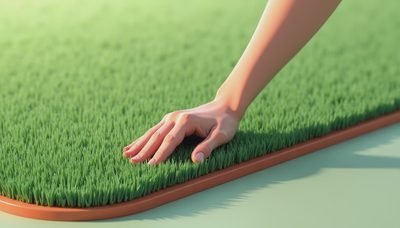
Artificial turf solves the mud problem instantly. It looks green year-round, requires no mowing, and won't die because the builder skimped on irrigation heads. Pavers give you a solid surface for grilling, seating, or a fire pit. Together, pavers and turf ideas create a low-maintenance outdoor space that's ready from day one.
I went with a 12x12 paver patio connected by a narrow walkway to a 20x15 turf area for my kids to play. The contrast between the warm concrete pavers and the bright green turf makes the yard feel bigger than it is. Total cost: about $2,800 for materials and two weekends of work.

Designing Your Layout on a Budget
Before you start digging, you need a plan. Most new build lots are long and narrow, especially in Sun Belt tract developments. Here's how to maximize your space without overcomplicating it:
- Zone 1: The patio (pavers). Put it close to the sliding glass door. Size it for a 6-person table and a grill—about 10x12 feet. That's 120 sq. ft.
- Zone 2: The play area (turf). Adjacent to the patio, visible from inside so you can watch the kids. At least 15x15 for running room.
- Zone 3: The path (pavers or stepping stones). Connect the patio to the side gate or garbage can area.
Don't overdo it with curving borders and multiple shapes. Straight lines are cheaper and faster to install. I used 12x12 concrete pavers from Lowe's—$1.89 each. For turf, I ordered a 15x20 roll from a local supplier for $1,200. That's the whole yard, no hidden costs.
Cost Breakdown: What You'll Actually Pay
Here's the real numbers from my backyard and from projects I managed. Prices are pre-inflation but still within range for most Sun Belt cities.
| Item | Builder Price | DIY Cost |
|------|---------------|----------|
| 120 sq. ft. paver patio | $3,500–$6,000 | $400–$800 (materials only) |
| 300 sq. ft. artificial turf | $4,000–$7,000 installed | $1,000–$2,000 (materials) |
| Base materials (gravel, sand) | Included in above | $200–$400 |
| Edging | $500–$800 | $50–$100 |
| Compactor rental | — | $75/day |
Total if you DIY: around $1,500–$3,300. Builder quote for same: $8,000–$15,000. That's a savings of thousands—money you can put toward better turf, nicer pavers, or a Weber grill.
I rented a plate compactor from Home Depot for a Saturday. The hardest part was digging out 4 inches of dirt for the base. My wife helped lay the pavers while I ran the compactor. It's doable in a weekend if you're in decent shape.
Installation Tips from Someone Who Did It
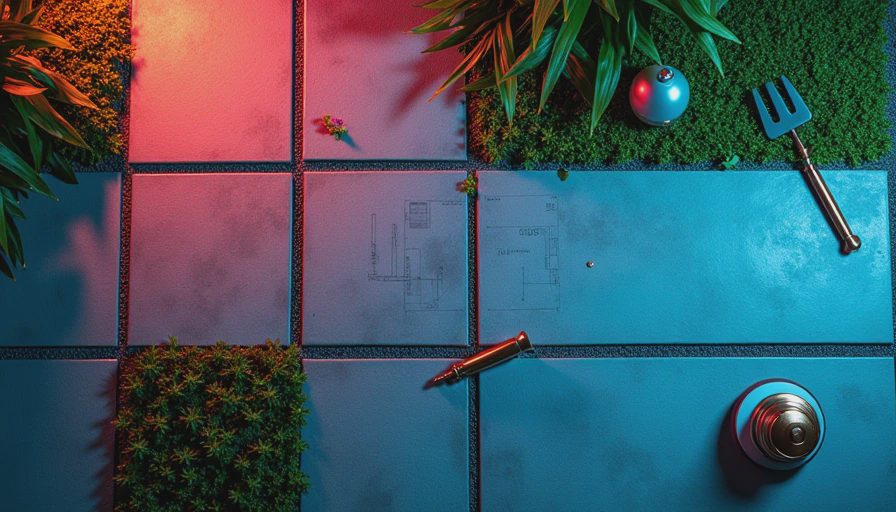
If you decide to tackle pavers and turf ideas yourself, follow these steps I learned the hard way:
- Call before you dig. Seriously. One guy in my neighborhood hit a gas line. $2,000 fine.
- Dig deep enough. For pavers, you need 4 inches of crushed stone base, 1 inch of sand, and the paver thickness. That's about 6 inches total. For turf, you need 2-3 inches of compacted base to prevent settling.
- Use polymeric sand for paver joints. It hardens when wet and keeps weeds out. Don't use regular sand—it washes away and ants love it.
- Stabilize turf edges. I used galvanized landscape stakes every 2 feet. The first windstorm lifted my corner and I had to re-stake it.
- Add a weed barrier under both. Non-woven fabric works best under pavers; woven under turf.
One mistake I see: homeowners skimp on base prep. They think they can just lay pavers on dirt. Six months later, everything is uneven. Spend the time on the base. It's not glamorous, but it's what makes your yard look good a year from now.
Maintenance: Keeping It Clean
Pavers and turf don't need much, but they're not zero maintenance. Here's the real talk:
- Turf: Rinse it with a hose every few weeks. Dog pee can leave a smell if you don't rinse it. I use a mild enzyme cleaner once a month. Sweep off leaves—they decompose and can stain.
- Pavers: Sweep off dirt. Reapply polymeric sand every couple years if joints settle. Power wash once a year, but use low pressure—I blew sand out of my joints the first time.
Pro tip: If you have kids and dogs, choose a turf with a short pile (1–1.5 inches). It drains faster and hides footprints. My neighbor got the long plush stuff and it looks matted down within a week.
Final Thought: Start Small, Expand Later
You don't have to do the whole yard at once. Many new construction owners make the mistake of blowing their budget trying to finish everything the first year. Pick one zone—the patio and a small turf area—and live with it for a season. You'll learn where the sun hits, where the dog runs, and where the kids actually play. Then expand.
A new house isn't perfect. But it can be yours. And with these pavers and turf ideas, your backyard will be the spot everyone wants to hang out—without the builder markup.

No letters yet — pray write the first.