
If you’ve been tracking a new home construction timeline after drywall, the drywall phase feels like a huge milestone. But the reality is that the house still needs another two to three months of work before you can move in. I saw this a hundred times when I worked for Pulte, and then I lived it myself in 2023. Here's what actually happens, week by week—and the mistakes I've made that you can avoid.
The Rough-In Phase (Weeks 1–3 After Drywall)
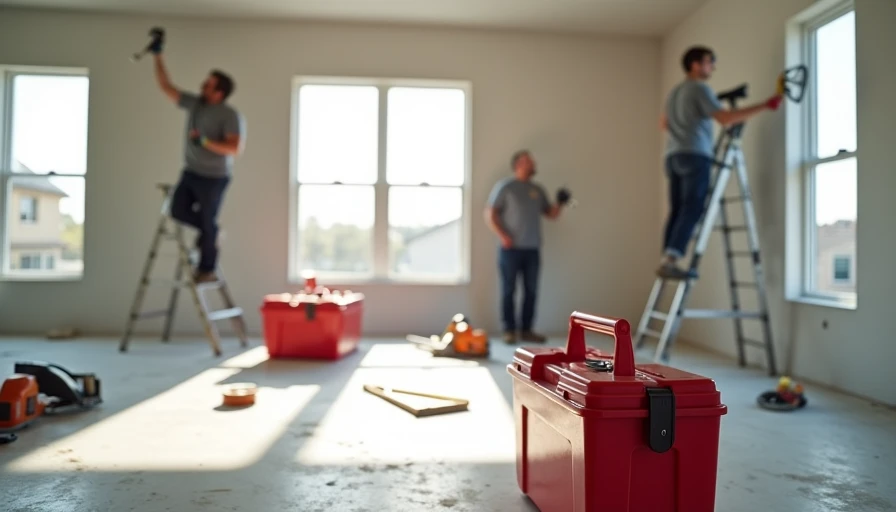
Right after drywall, the mechanical trades return. Electricians install outlets, switches, and light boxes. Plumbers run the final lines for sinks, toilets, and showers. HVAC finishes ductwork and vents. This phase is loud and dusty, but it's crucial. Take photos of every wall before they're closed up—you'll thank yourself when you need to hang a TV or locate a pipe. Inspections are scheduled here, and delays are common. Your builder may say one week, but two to three is realistic. The new home construction timeline after drywall depends heavily on sub schedules and permit turnaround. Stay in touch with your project manager, but avoid hovering. I've seen a one-week rough-in stretch to three because of a single missing permit.
Also, this is the time to finalize any remaining selections—like faucet finishes or tile patterns—if you haven't already. Once the rough-in is done, changes become expensive and slow. Plan on making at least one mid-week visit to check on progress.

Trim, Cabinets, and Fixtures (Weeks 4–8)
Once rough-in passes inspection, the interior finish work begins. Trim carpenters install baseboards, door casings, and window sills. Cabinet installers put in kitchen, bathroom, and laundry cabinets. This is when the house starts looking like a home. The new home construction timeline after drywall picks up speed here. Appliances are delivered, tile is laid, and flooring goes down. I chose LVP flooring throughout my house, and it was one of my better decisions—easy to clean with two kids and a dog.
Do a thorough walkthrough during this phase. Bring a level. Check that doors close properly and drawer fronts align. I found three misaligned cabinet faces in my walkthrough. The builder fixed them before closing, but only because I pointed them out. Also, if you upgraded to soft-close drawers or custom cabinets, check those now. Builder-grade carpet is typically installed last, after everything else, to keep it clean.
Don't forget to verify the appliance models against your purchase agreement. I once saw a buyer get a different model dishwasher than they ordered. The builder swapped it, but it took two weeks.
Final Finishes and Punch List (Weeks 9–12)
Now the house gets its final paint coat on walls and trim. Backsplash goes in, mirrors are mounted, and light fixtures are installed. The builder does a quick cleaning—it's a broom sweep, not a deep clean. Then the punch list walkthrough happens. This is your last chance to flag issues before closing.
Plan to spend at least two hours on the punch walk. Test every outlet with a phone charger. Flush every toilet. Run every sink and check for leaks. Open and close all doors and windows. I found 14 items, including a slow leak under the kitchen sink that would have ruined the cabinet over time. The builder fixed everything within a week.
Know that the new home construction timeline after drywall can slip at the very end. Backordered appliances, wrong countertops, or tile shortages can push your closing. My closing got delayed two weeks because the wrong kitchen countertop shipped. Having a flexible move-out date or a contingency plan is smart. Don't rely on the builder's cleaning—hire a professional cleaner before you move in. It's worth the $200.
What You Should Be Doing During This Time
While the builder finishes your house, you need to handle your own tasks. Order blinds or curtains now—custom window coverings take four to six weeks. Get homeowners insurance quotes ready to start on closing day. Schedule a moving truck or rent a trailer, but leave a window of several days rather than a specific date.
Also, start landscaping. Most builders leave you a dirt yard. If you want grass by summer, order sod or seed now. I waited until after closing and ended up with mud all spring. Don't make that mistake.
Finally, set aside $1,000–$2,000 for things the builder won't cover: touch-up paint, caulking gaps, or a professional deep clean. You'll thank yourself when you move in. Throughout the new home construction timeline after drywall, keep a running list of questions for your superintendent. Ask about warranty claims, recommended cleaners, and maintenance tips. Another thing: schedule your internet and utility installations now. New developments often have limited appointment slots.
Frequently Asked Questions About the Timeline After Drywall
**Q: How long does it typically take to go from drywall to closing?**
A: Most production builders schedule 8 to 12 weeks after drywall, but expect 10 to 14 weeks once delays hit. That aligns with the typical new home construction timeline after drywall I've seen.
**Q: Can I visit the house during final finishes?**
A: Yes, but coordinate with your superintendent. Most builders allow supervised visits on weekdays. Avoid weekends when subs aren't working.
**Q: What if I find a major issue during punch walk?**
A: Flag it immediately. Builders have a punch clause that gives them time to fix items—usually 30 days. Don't close until critical issues are resolved.
**Q: Should I hire a third-party inspector?**
A: Absolutely. A $400–$600 inspection can catch things your builder missed. In our house, the inspector found a gas line leak that would have delayed occupancy.
**Q: What's the most common delay after drywall?**
A: Cabinet or countertop orders. Many builders order materials too late. I've seen a three-week hold on countertops alone.
A new house isn't perfect. But it can be yours.



No letters yet — pray write the first.