The Noble Plan That Failed Spectacularly
Before we closed, Megan and I had grand visions: a clean, adult living room for relaxing and hosting, and a dedicated playroom where all the toys and chaos would stay contained. We even picked the floor plan with a bonus room specifically for that purpose.
Reality hit like a pile of Duplo blocks. Within three weeks of moving in, the “playroom” became storage overflow and the living room turned into Command Central for snacks, cars, and toddler dance parties. We lost the battle. And honestly? It was the right call.
Here’s how we stopped fighting the inevitable and made a family-friendly home that still feels like ours.
Why the Traditional Playroom Plan Often Fails in New Builds
New construction homes are designed with open concepts and “flex spaces.” But with small kids, life doesn’t stay in neat boxes. The living room is where the family actually gathers — near the kitchen, with the best light and TV. Expecting toddlers to stay isolated in a side room is optimistic at best.
We fought it for months. Then we got smart.
How We Finally Surrendered (And Made It Work)
1. Embrace the Multi-Purpose Living Room
We stopped pretending the living room was adult-only. Instead, we made it family-functional:
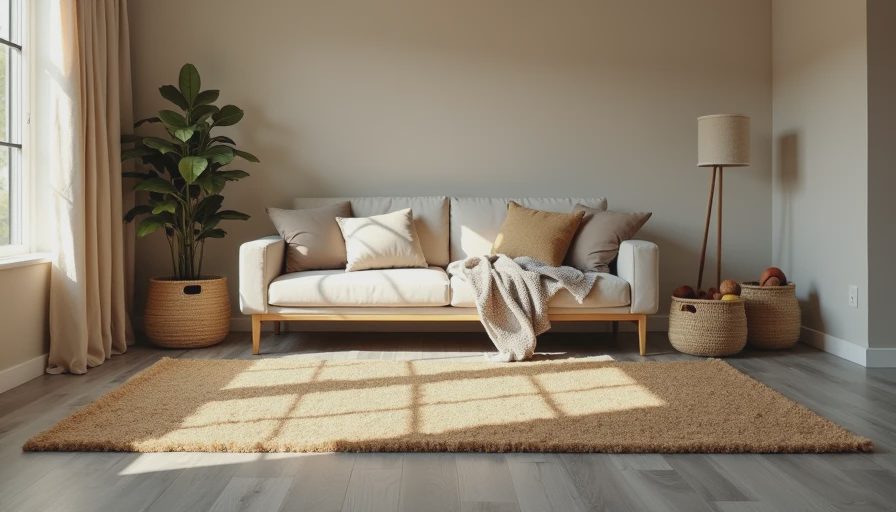
Large jute area rug over the LVP to define play space and hide spills
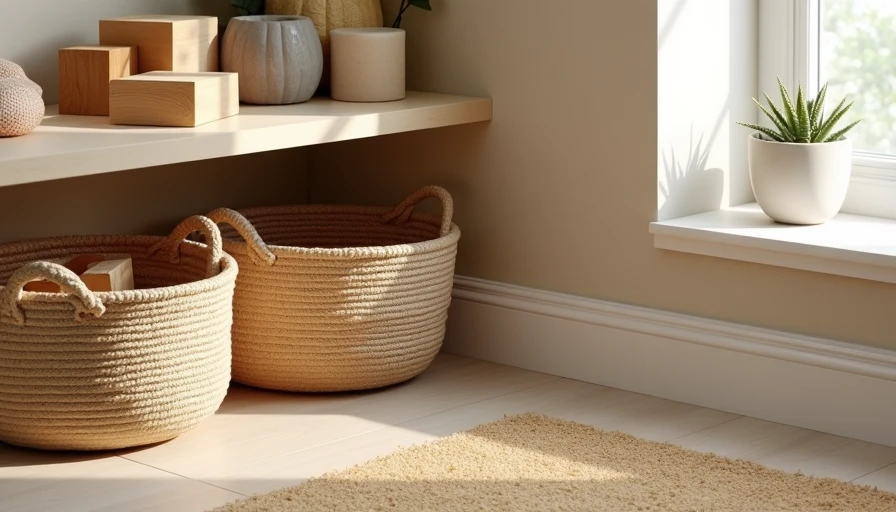
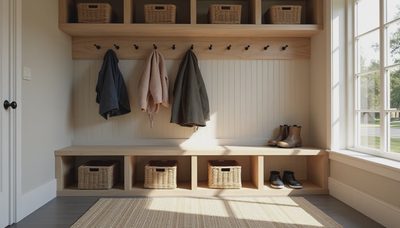
Stylish woven baskets and low shelves for toy rotation
Furniture with washable slipcovers and rounded corners
A media console with kid-accessible drawers for current favorites
2. Turn the Bonus Room Into a Flexible Zone
We repurposed the intended playroom as:
Quiet reading / nap space
Toy overflow and rotation storage
Guest overflow when family visits
Craft zone on rainy days
This kept the main living area from becoming completely overrun while still allowing the kids to be where the action is.
3. Daily Systems That Prevent Total Chaos
10-minute evening “reset” where everyone helps pick up one category
Toy rotation system — only 1/3 of toys out at a time
Designated snack spot in the kitchen to contain crumbs
Low hooks and baskets near the living room for quick cleanups
What Actually Holds Up With Small Kids
Rugs: Natural fiber jute or washable outdoor rugs
Storage: Beautiful baskets over plastic bins
Furniture: Performance fabrics and modular pieces
Floors: Our thick LVP has been a lifesaver (see previous posts)
The Mental Shift That Saved Our Sanity
Once we accepted that the living room would be lived in, the stress dropped dramatically. We stopped hovering and started enjoying the space. The house feels warmer and more like home when it shows signs of actual life.
Lessons From Watching Other Families
During my Pulte days, I saw two extremes:
Houses that stayed magazine-perfect but felt cold and off-limits to kids
Houses that became total toy explosions and stressed the parents out
The happiest families found the middle: functional, durable, and still nice enough to be proud of.
Budget-Friendly Wins
Jute rug: $420
Woven storage baskets: $180
Washable slipcovers: $250
Toy rotation shelves: $320 (IKEA hacks)
Total: Under $1,200 to make the space work beautifully.
The Playroom vs Living Room Reality
We didn’t lose the battle — we redefined victory. The living room is now where memories happen: fort building, puzzle marathons, and Saturday morning cartoons. The bonus room handles overflow and gives us flexibility.
Practical Family Space Checklist
Accept that main living areas will be used
Invest in durable, attractive storage solutions
Create systems for daily resets and toy rotation
Choose performance materials from the start
Design for real family flow, not Pinterest ideals
Give yourself grace — it’s a season, not forever
The House That Fits Our Family
Two years later, our living room has some wear but lots of stories. It’s comfortable, functional, and welcoming. The kids feel at home, and so do we.
A new house isn’t perfect. But it can be yours.
Even when the toys win the living room battle. Especially then.
Your Surrender Strategy
Stop fighting the kids for territory. Design around real life. You’ll have a much happier home — and much less daily stress.
Print the checklist. Move some baskets. Breathe. You’ve got this.
No letters yet — pray write the first.