
The First Crack That Freaked Us Out
Day nine in our new house. I walked into the hallway and saw it: a thin hairline crack above the door frame. Megan’s eyes went wide. “Is the house falling apart?” Charlie pointed at it like it was a new decoration.
I stayed calm because I’d seen this hundreds of times during my Pulte days. Settlement cracks are one of the most common “oh no” moments for new construction homeowners — and usually the least serious. But knowing the difference between normal and “call the builder” can save you stress and unnecessary fights.
Here’s the straight talk from someone who’s been on both sides of the clipboard.
Why Settlement Cracks Happen in New Builds
New houses are built fast on fresh soil and lumber that still has moisture. As the house settles, the wood dries, the soil compacts, and everything shrinks or shifts a bit. This is physics, not poor construction.
Common locations in the first 12–18 months:
Above door frames and windows
Where drywall meets corners or ceilings
Along seams in long walls
Near HVAC vents or plumbing penetrations
Our house had about eight visible ones by month three. All normal.
Normal vs. Concerning — The Practical Guide
Normal Settlement Cracks
Hairline thin (less than 1/16 inch)
Vertical or diagonal, not horizontal
Appear gradually over weeks/months
Stable — don’t widen over time
No sticking doors/windows or uneven floors nearby
These are cosmetic. We filled and painted most of them ourselves by month six.
When You Should Actually Worry
Cracks wider than 1/4 inch
Horizontal cracks in foundation or walls
Cracks that suddenly widen or spiderweb
Accompanied by sticking doors, sloping floors, or windows that won’t open
Visible foundation cracks outside with bowing walls
In five years at Pulte I only saw a handful of real structural issues. Most “cracks” were just the house doing what new houses do.
Our Settlement Timeline
Week 2–6: First hairline cracks appeared. Documented everything with photos and dates.
Month 2–4: A few more showed up after heavy rains (soil movement). All stayed small.
Month 6: We did a full interior touch-up. Most were gone visually.
Year 2: Still occasional tiny new ones after big temperature swings, but nothing structural.
What the Builder Will Tell You (And What They Won’t)
During walkthroughs, builders usually say “normal settling” — and they’re usually right. But they won’t volunteer the full picture:
Expect movement in year one.
Drywall tape can separate as framing shrinks.
Truss uplift (roof trusses lifting in winter) causes ceiling cracks.
Your dirt backyard and new landscaping can affect soil moisture.
The key is documentation. Take timestamped photos of every crack. This protects you if something real develops.
How We Handled Them Practically
Simple Repair Process for Normal Cracks
Wait until the crack stabilizes (usually 3–6 months).
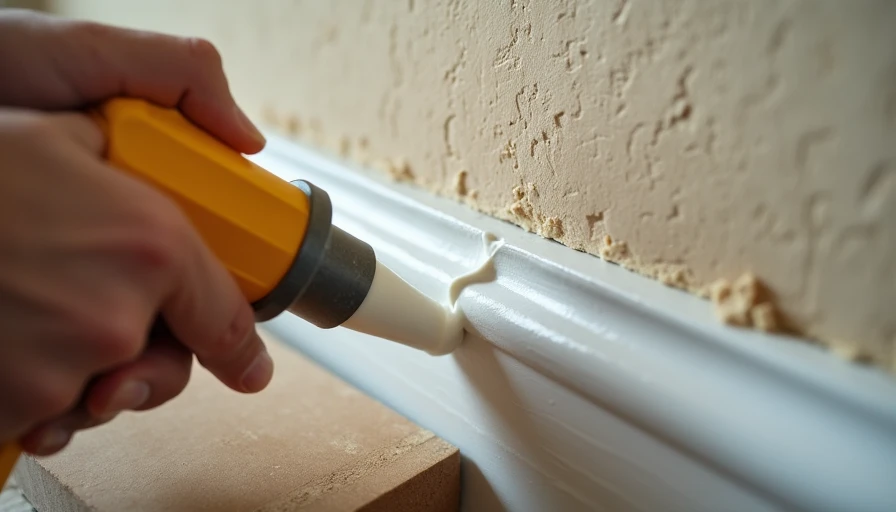
Use flexible caulk or drywall compound designed for movement.
Sand smooth and repaint with eggshell or satin (hides future hairlines better).
For corners: Use paper tape + compound for flexibility.
We spent maybe $80 on materials and did it ourselves over a weekend. Looks brand new.
When to Call the Builder
We submitted three items on our punch list related to cracks. They fixed one minor drywall seam issue under warranty. The rest we handled ourselves because they were truly cosmetic.
Pro tip: Be reasonable. Builders expect some settling. They don’t expect you to call about every hairline.
Other First-Year “Movement” Issues
Popping nails in ceilings (common in winter)
Slight gaps around baseboards
Doors that rub after humidity changes
Minor floor squeaks as subfloor adjusts
All normal. All fixable.
Lessons From Hundreds of New Builds
The homeowners who stayed calm and documented everything had the easiest experience. The ones who panicked and demanded immediate fixes for normal settling stressed themselves out and sometimes strained relations with the builder.
Practical Monitoring Checklist
Photo every crack with date and location when it appears
Check monthly for changes in width
Monitor doors and windows for sticking
Note any correlation with weather or seasons
Fix cosmetically after 4–6 months of stability
Call builder only for wide, horizontal, or worsening issues
The Peace of Mind Perspective
Two years later, our house has a few faint lines if you look really hard. They’re like stretch marks — proof it’s lived in and settled into being our home. Nothing structural. Nothing to lose sleep over.
A new house isn’t perfect. But it can be yours.
And part of making it yours is understanding that some cracks are just the house hugging the ground and getting comfortable.
Don’t let the first settlement crack ruin your new home excitement. Document, wait, repair, and move on. Your future self (and your warranty) will thank you.
Your Settlement Crack Action Plan
Stay calm when you see the first one
Document everything
Distinguish normal from serious using the guidelines above
Repair cosmetically when stable
Enjoy the house — it’s doing what new houses do
Print this. Keep it handy for the inevitable first crack. You’ve got this.


No letters yet — pray write the first.