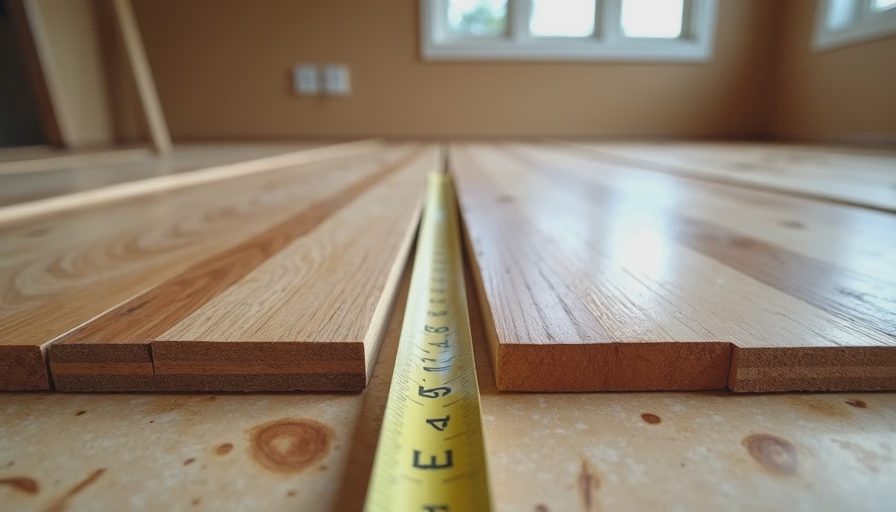
The Upgrade Sheet Showdown
When we reached the flooring page in our 2023 Pulte upgrade meeting, the sales counselor leaned in: “Hardwood is the upgrade everyone regrets skipping.” The price tag? $8,900 for the main level. Megan looked tempted. I flipped to my mental cost sheet and knew we needed to dig deeper.
Five years inside the builder world taught me that flooring decisions in new construction are never just about the surface. The subfloor underneath — and how the builder installs everything — makes or breaks your long-term happiness.
Here’s the real talk on Hardwood vs LVP in a new build, what the builder won’t volunteer about subfloors, and exactly what we chose with two small kids and a big dog.
Why Subfloor Matters More in New Construction
New builds have engineered wood or OSB subfloors that are still settling in the first 12–24 months. This movement creates unique challenges:
Seasonal expansion/contraction is more noticeable.
Minor truss uplift or settling can cause squeaks or gaps.
Moisture from construction and the dirt lot outside affects everything.
The builder’s standard is usually thin LVP or basic carpet. Their hardwood upgrade is often pre-finished engineered hardwood, not solid.
Head-to-Head Comparison: Hardwood vs LVP
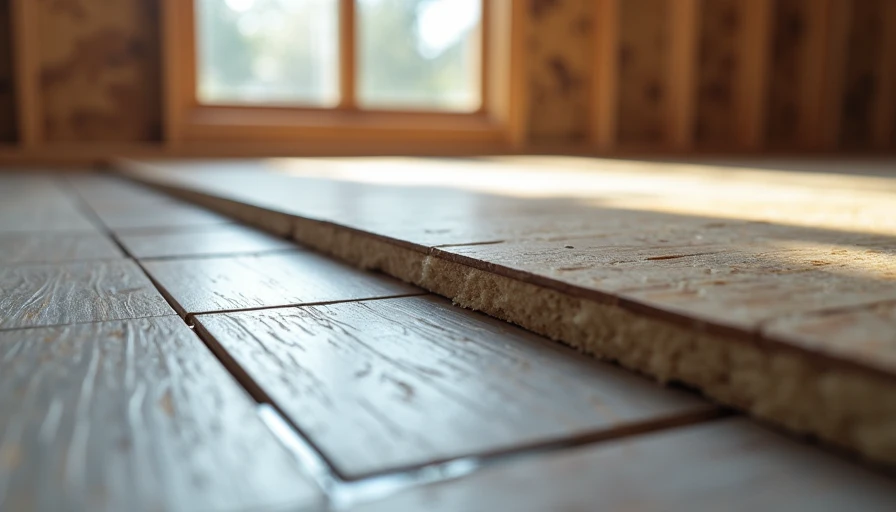
Cost Reality (Our 1,800 sq ft main level)
Builder Hardwood Upgrade
$7,800–$9,500 installed
3/4” engineered oak or similar
Quality LVP (What We Researched)
$3,200–$4,800 installed (thicker wear layer, good underlayment)
Our Final Choice
We went with premium LVP (6mm wear layer, attached underlayment) for $4,150. Saved over $4,000 compared to builder hardwood.
Durability with Kids and Pets
Hardwood Pros
Classic look and feel
Can be sanded/refinished (if solid, not engineered)
Higher resale appeal in some markets
Hardwood Cons in New Builds
Scratches easily with dogs and toy cars
Shows every dent and water spill
More noise transmission
Harder on the wallet when the house is still settling
LVP Pros
Extremely durable with thick wear layers
Waterproof options handle kid spills and dog accidents
Quieter with good underlayment
Forgiving on minor subfloor imperfections
LVP Cons
Can feel “plasticky” if you choose cheap thin stuff
Harder to refinish (you usually replace)
Some patterns look fake up close
What the Builder Won’t Tell You About Subfloor
During my Pulte days I saw this repeatedly:
The subfloor in many new builds has slight variations and seams. Thin flooring telegraphs every bump.
Builder hardwood is often glued or stapled in ways that work great initially but can cup or gap as the house settles.
LVP with a thick underlayment floats better and hides imperfections.
Moisture barriers and proper acclimation are critical — builders sometimes rush this.
We had one neighbor who did the hardwood upgrade. Six months later they had visible gaps near HVAC vents due to humidity swings. Our LVP has stayed flat and quiet.
Our Installation Lessons
We waited until after the first 60 days of settling before final flooring decisions (we had temporary protection). Key moves:
Chose LVP with attached cork underlayment for sound dampening.
Ensured the installer used proper expansion gaps and moisture testing.
Added transition strips where needed for the slight floor level changes common in new builds.
Two years later with endless kid traffic and dog nails, the floors still look excellent and feel great underfoot.
When Hardwood Might Still Win
No pets or very young kids
You plan to stay 10+ years and want to refinish later
Budget allows and you love the warmth of real wood
Formal areas only (we considered it for the dining room but stuck with LVP)
Budget Breakdown & Long-Term Math
Builder Hardwood: $8,900 upfront + potential repairs/refinishing $2,000–$4,000 in 7–10 years
Our LVP: $4,150 upfront + replacement in 12–15 years likely cheaper overall
Net Savings: ~$5,000+ in the first decade while being more practical for our family.
Practical Decision Framework for Upgrade Meeting
Kids + Pets? → Lean heavily toward thick LVP.
Subfloor quality? Ask for details and consider floating options.
Resale in your neighborhood? Check recent comps.
Daily feel? Walk on samples in the model with shoes off.
Maintenance willingness? Hardwood needs more care.
Post-Move-In Tips
Use felt pads on all furniture
Keep a good vacuum with hard floor setting
Address spills immediately
Reassess after first full seasonal cycle
The Floor That Fits Real Life
Our LVP has handled spilled juice, Hot Wheels races, and Labrador zoomies without drama. The house feels warm and lived-in, not like a showroom we’re afraid to touch.
A new house isn’t perfect. But it can be yours.
Don’t let the builder’s glossy hardwood samples pressure you into an upgrade that doesn’t fit your actual family. The subfloor truth matters more than the marketing.
Your Flooring Decision Checklist
Test samples with kids and pets if possible
Ask detailed subfloor questions
Compare 10-year total cost of ownership
Prioritize durability over initial wow factor
Consider phased approach (main areas first)
Get moisture readings before install
Print it. Walk on both options. Choose what survives real life in your new build.

No letters yet — pray write the first.