When the backyard was still a sea of red clay, Megan and I spent way too many evenings debating patio versus deck. The builder pushed hard for a composite deck upgrade during options selection — $11,500. My old coworker instincts immediately screamed “margin alert.”
We waited, researched, and eventually built something much smarter. Here’s the unfiltered comparison from someone who’s seen hundreds of these backyards go in — and who now lives with the decision every single day.
The New Build Backyard Context
New construction lots come pre-graded but raw. You’re usually dealing with clay soil, slight slopes, and zero existing landscaping. This changes the math on patio vs deck compared to an established yard.
Cost Breakdown — Real Numbers (Raleigh Area, 2024-2025)
Builder Deck Option
Composite deck ~16x12: $9,800–$12,500
Includes railing, stairs, basic lighting
Done during construction, coordinated with house build
DIY/Contractor Patio
Paver or concrete patio same size: $2,800–$6,500
Gravel base patio: even cheaper at $1,400–$2,900
Our Actual Choice
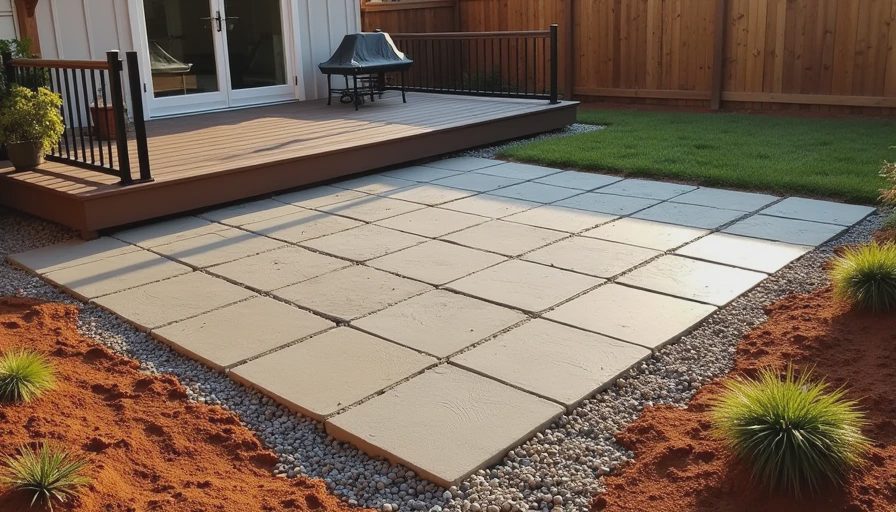
We built a hybrid: gravel base with pavers in a 12x16 area for $1,650 DIY over two weekends. Later added a small composite section for the smoker. Total under $2,800 so far.
Pros and Cons — New Construction Reality
Deck Pros:
Raised design works great on sloped lots (common in new builds)
Faster install during construction
Can attach directly to the house easily
Feels more like an extension of indoor living
Deck Cons:
High upfront cost with builder markup
Composite materials get hot in Southern sun
Requires more maintenance than advertised (mold, fasteners)
Harder to modify later
Patio Pros:
Significantly cheaper
More flexible design and future expansion
Cooler underfoot in summer
Easier to integrate with landscaping as it evolves
Better resale in many Sun Belt markets right now
Patio Cons:
Needs solid base work on clay soil
Less elevation if your lot slopes away from house
Can feel more “grounded” and less premium initially
What I Saw at Pulte
Families who went all-in on builder decks often regretted the cost when the backyard still looked unfinished. The ones who did basic patios first and upgraded later seemed happier with cash flow and flexibility.
Our Decision Process
Tested the space — Lived with the dirt lot for 4 months. Realized we wanted a level area right off the kitchen for dining and grilling.
Ran the soil test — Heavy clay meant we needed proper gravel base either way.
Budget reality — We had young kids and a painful mortgage. $11k deck wasn’t happening.
Future-proofing — Chose a design we could expand later (add decking on top of pavers if we want elevation).
Step-by-Step: Our Gravel + Paver Patio
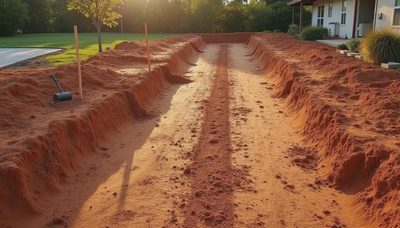
Excavated 8 inches and added landscape fabric
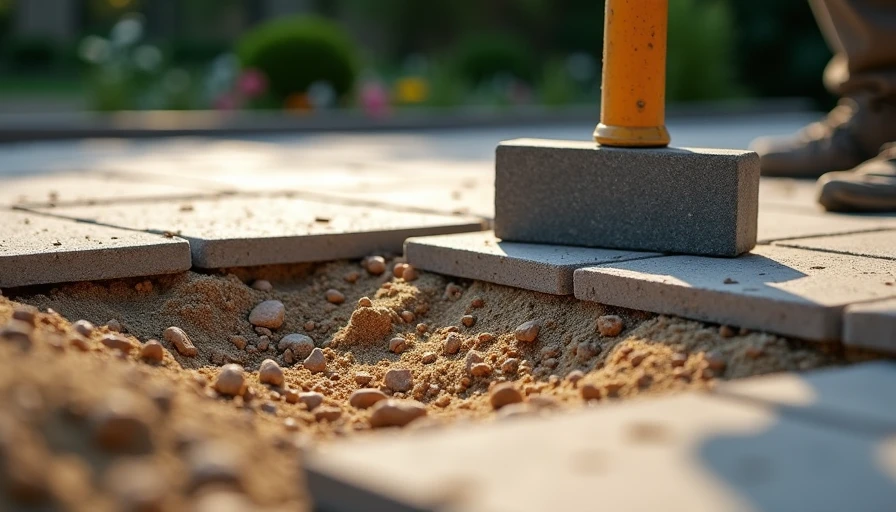
4 inches of crushed gravel base (compacted in layers)
1 inch sand bedding
Concrete pavers in a simple pattern
Edging and polymeric sand
Total materials: ~$1,100
Labor (my weekends + one buddy): free beer and pizza
It’s rock solid two years later. No shifting, great drainage, and it handled Carolina storms without washing out.
The Smoker Station Upgrade
We poured a small 6x8 concrete pad next to the patio for the offset smoker ($420). Best decision ever. I can smoke briskets without tracking ash into the house, and it ties into the main patio area perfectly.
Maintenance Reality Check
Deck: Power washing 1-2x/year, checking fasteners, fighting mold in humid climate.
Patio: Occasional weed pulling between pavers, resealing every 2-3 years. Much lower effort.
Financial Sense Winner?
For most new build situations in Sun Belt markets: Patio wins on cost and flexibility.
You can always add a raised deck section later when finances improve. Starting with a solid patio gives you usable space immediately without killing your budget.
When a Deck Might Still Make Sense
Very steep lot where a patio would require massive retaining walls
You want that elevated indoor-outdoor flow and have the budget
Planning to stay 10+ years and love the look
Hybrid Approach (What I Recommend Most)
Start with a patio for the main entertaining area. Add deck elements where elevation or attachment to the house makes the most sense. This is what we’re slowly building toward.
Budget Breakdown for Different Approaches
Basic gravel patio: $1,500–$3,000
Paver patio: $4,000–$7,000
Builder composite deck: $10,000–$15,000+
Hybrid (our path): $2,500–$5,000 phased
Lessons From the Dirt Patch Days
Don’t let the builder pressure you into a big deck upgrade at closing. You have time. Get the lot stabilized, live with the space, then build what you actually use.
Practical Decision Framework
Measure your slope and soil
Calculate usable space needed for your family
Run total cost including maintenance over 5 years
Consider local climate (heat, humidity, freeze-thaw)
Think resale — both work but patios feel more versatile right now
Tools That Made It Easier
Plate compactor (rented)
Rubber mallet for pavers
Long level and string lines
Good wheelbarrow
The Weekend Wins
Saturday evenings on our patio with the kids running around, dogs chasing bubbles, and smoke rolling from the smoker — it feels like home. Not because it’s fancy. Because it’s ours.
A new house isn’t perfect. But it can be yours.
And sometimes that starts with a simple, well-built patio instead of an expensive deck brochure.
Your Backyard Hardscape Checklist
Assess lot slope and drainage first
Test a small area before big commitment
Compare 5-year total cost of ownership
Consider hybrid options
Build usable space before perfect space
Phase it — you don’t need perfection in year one
Print it. Walk your dirt lot. Make the choice that fits your family and wallet, not the sales counselor’s quota.
No letters yet — pray write the first.